
Why Wisdom Teeth Often Need to Come Out
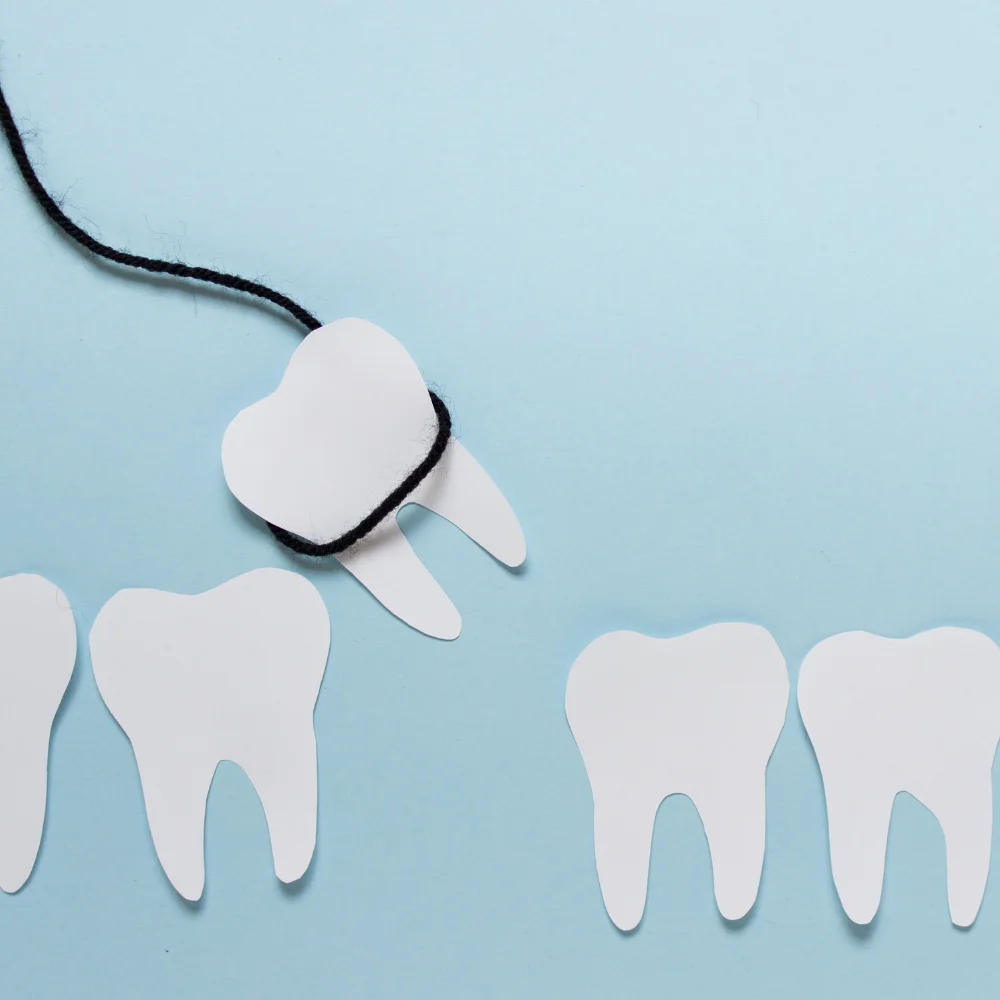
Wisdom teeth are the third molars at the very back of your mouth, and they're the last to arrive – usually in your late teens or early twenties. For some people they come in straight, have room, and never cause trouble. For plenty of others, there simply isn't enough space back there, and that's when problems start. A wisdom tooth that can't come in cleanly may crowd the teeth beside it, get stuck under the gum, or become a spot that's nearly impossible to keep clean.
Because they sit so far back and often come in at an angle, wisdom teeth are hard to brush and floss, so they're prone to decay and gum infection that can spread to the healthy molar in front. Removing a problem tooth early – before it damages a neighbour or flares up – is usually the simpler road. Here's what taking it out is meant to head off:
- Crowding — a tooth pushing in without room can shift the molars beside it out of line.
- Impaction — a partly emerged tooth leaves a flap of gum that traps food and bacteria, which often leads to infection.
- Ongoing pain — a stuck or pressured wisdom tooth can bring jaw soreness, facial swelling, and aching that won't settle.
- Decay and gum disease — because they're so hard to clean, wisdom teeth are prone to cavities and infection that can reach nearby teeth.
Signs It's Time to Have Yours Looked At
Not sure whether your wisdom teeth are actually causing a problem? Some people feel nothing until an X-ray shows trouble brewing; others get clear warning signs. If any of these sound familiar, it's worth booking an evaluation:
- Pain at the back — a persistent ache behind your last molar, especially when you chew.
- Swelling around the jaw — puffiness in the jaw or cheek that can point to infection.
- Sore, bleeding gums — red or tender tissue around the tooth, sometimes with a flap that catches food.
- A stiff jaw — trouble opening your mouth fully, or a jaw that feels tight.
- Repeat infections — the same spot flaring up again and again.
- Bad breath or a bad taste — often a sign of bacteria building up where you can't reach.
Impacted vs. Erupted: What the X-Ray Shows
"Impacted" simply means a tooth is blocked from coming in the way it should, and how deeply it's blocked changes the job – a tooth through the gum is very different from one buried in bone. An X-ray tells us which situation you're in and shapes how we plan the extraction.
| Position | What it means |
|---|---|
| Fully erupted | Through the gum and visible, but may still need removing for crowding or decay. Usually the simplest to take out. |
| Soft-tissue impaction | Partway through, with a flap of gum still covering part of the tooth and trapping food. |
| Partial bony impaction | Partly held under the jawbone, so removal takes a little more planning. |
| Full bony impaction | Fully encased in bone – the more involved cases, handled with extra care. |
What to Expect: The Extraction, Step by Step
Most people are anxious mainly because they don't know what actually happens. Here's the process from start to finish, so there are no surprises on the day.
Consultation and X-rays
We take X-rays to see exactly where each tooth sits. Some are straight and simple; others are tilted or buried. This is also where we confirm whether removal is even needed.
Getting ready
You'll get clear pre-op instructions. Arrange a ride home if you're having sedation, plan to take it easy for a day, and pick up soft foods like yogurt, soup, and smoothies ahead of time.
Anesthesia
Local anesthesia numbs the area fully so you don't feel the procedure. If you'd rather be more relaxed, we can talk through sedation options at your consult.
The extraction
We remove the teeth one at a time using gentle techniques that limit disturbance to the surrounding tissue. Impacted teeth are handled with the same careful approach.
Cleaning and closing
The socket is cleaned out and, when needed, a few stitches are placed. Some dissolve on their own; others come out at a quick follow-up.
Home with a plan
You'll leave with written aftercare instructions and gauze in place. We'll go over exactly what to do for the first day so healing gets off to a good start.
Staying Comfortable: Anesthesia and Sedation
Comfort is usually the first thing patients ask about. For most extractions, local anesthesia is all that's needed – the area is numbed completely, so while you may feel some pressure, you shouldn't feel pain during the procedure. If dental work makes you nervous, or you're having several teeth out at once, sedation options can help you stay calm and relaxed throughout. We'll talk through what fits your situation at the consultation, and if you're having sedation you'll want someone to drive you home.
Recovery: What the First Week Looks Like
Recovery usually takes about a week, though everyone heals at their own pace. Knowing what each day tends to bring makes it feel more manageable – here's a general timeline.
| Timeframe | What to expect |
|---|---|
| First 24 hours | Rest with your head raised. Bite gently on gauze, expect a little oozing, and stick to cool, soft foods. A clot is forming in the socket, so no straws, spitting, or smoking. |
| Days 2–3 | Swelling and cheek stiffness usually peak. Cold compresses and rest help, and gentle warm salt-water rinses keep the area clean. |
| Days 3–5 | Swelling eases and you'll feel more like yourself. Many people are back to light routines and school or work. |
| Days 5–7 | Most soreness has settled; reintroduce firmer foods as it feels comfortable. |
| 1–2 weeks | Gum tissue closes over and any non-dissolving stitches come out at a short follow-up. Deeper healing takes a little longer. |
Aftercare: Helping Your Mouth Heal
The extraction is quick; the healing is where you play the biggest part. A few simple habits go a long way toward a smooth recovery and getting you back to eating comfortably:
- Protect the clot — no straws, spitting, or smoking for the first few days; the suction can dislodge the clot healing the socket.
- Rinse gently — warm salt-water rinses after the first 24 hours keep things clean without disturbing the site.
- Stick to soft foods — yogurt, soup, smoothies, eggs, and mashed potatoes for the first few days.
- Manage swelling — a cold compress on the cheek and resting with your head propped up both help.
- Take pain relief as directed — over-the-counter medication usually handles the soreness.
- Call if something's off — growing pain after day three, a fever, or heavy bleeding are worth a phone call.
When's the Right Time to Have Them Removed?
Removal is most often done between the ages of 17 and 25, and there's a good reason for that window: the younger you are, the shorter the roots and the less dense the bone, which tends to make the extraction and the recovery more straightforward.
Parents often ask when a teenager should be checked. We usually suggest a look around age 16 or 17, when an X-ray can show whether there's room for the teeth to come in properly. Catching a crowding issue early is almost always simpler than dealing with it after it flares up.
Not every wisdom tooth has to come out. If yours are healthy, well-positioned, and easy to keep clean, we may simply keep an eye on them. An evaluation is the only way to know what's right for your mouth.
Cost, Insurance, and CDCP
What an extraction costs depends on how many teeth are involved and how they're positioned – a fully erupted tooth is simpler than one buried in bone. We'll give you a clear estimate after your X-rays, before anything is scheduled.
We accept all major dental insurance plans and are happy to help you understand your coverage and sort out claims. If you're covered under the Canadian Dental Care Plan (CDCP), we can walk you through how it applies. And if cost is a worry, ask us about payment options – we'd rather find a way to make care work than have you put it off.
Why Choose Hanlon Creek Dental in Guelph
Having your wisdom teeth taken out close to home makes the whole thing easier – the consultation, the procedure, and the follow-up all happen right here on Scottsdale Drive, with no trip to Kitchener or Toronto when you're already sore. For University of Guelph students and busy families alike, that matters.
Our team speaks English, French, Spanish, Portuguese, Arabic, and Vietnamese, so you can talk through your care in the language you're most comfortable with. We're welcoming new patients, and with extended Wednesday hours until 7 pm and some Saturday availability, it's easier to find a time that fits.
Wisdom Teeth FAQ
No. If a wisdom tooth has fully come in, has enough room, and you can keep it clean, it may not need to go anywhere. Removal is recommended when a tooth is impacted, crowding its neighbours, decaying, or causing repeated infections. An exam and X-ray are the only reliable way to tell which camp yours fall into.
The area is fully numbed with local anesthesia, so you may feel some pressure during the extraction but shouldn't feel pain. Afterward, it's normal to have soreness and swelling for a few days, which over-the-counter pain relief usually handles well. Sedation options are available if dental work makes you anxious.
Most people feel noticeably better within a few days and back to normal in about a week. Swelling tends to peak around day two or three, then eases. You'll want to stick to soft foods and avoid straws early on, since the suction can disturb the clot that's healing the socket. We send you home with detailed written instructions.
Removal is most commonly done between 17 and 25. Younger patients tend to have shorter roots and less dense bone, which often makes the procedure and the recovery more straightforward. That said, wisdom teeth can be removed later in life when there's a good reason to.
Wisdom tooth removal is often covered at least in part, since it's usually a functional rather than a cosmetic procedure, but coverage varies by plan. We accept major insurance plans, can help with CDCP questions, and will give you a clear estimate before you commit to anything.
Ready to Have Your Wisdom Teeth Evaluated?
If your wisdom teeth are bothering you – or you'd just like to know where they stand – the easiest first step is a consultation. Call (548) 855-0283 or email admin@hanloncreekdental.com to book with Dr. Mina Mustafa, and we'll walk you through your options in plain language.